
14/10/2024
End of the bio-diesel boom in ARA?
Over the past seven years, biodiesel has transformed the trading landscape in Europe. Initially, working at the biodiesel desk at majors and trading houses involved small teams managing perhaps one or two barges per week. However, this quickly evolved, leading to the establishment of large trading desks that have begun to outperform the P&L of traditional fuel, lights, and distillate desks.
What triggered this?
Subsidies
The EU's green energy policy provides subsidies to companies using biodiesel as a sustainable transport fuel. This, along with rising renewable blending targets in in fuel has significantly boosted trading activity in recent years.
Bio tickets
Renewable fuel certificates are utilised by companies introducing liquid or gaseous fossil fuels to demonstrate compliance with EU blending mandates. These certificates are primarily generated through the blending of renewable fuels with fossil fuels. They can be traded among parties and purchased to help meet renewable fuel blending targets. Some companies do not meet the EU mandates and therefore need to buy these tickets on the market to compensate their CO2 exposure.
The Renewable Energy Directive (RED)
The Netherlands has one of the most ambitious mandates for the transport sector in Europe. In 2021, the overall biofuel mandate was set at 17.5% (based on energy content), increasing to 18.9% in 2023 and projected to reach 28.4% in 2024. Additionally, the country boasts a high Annex IX-B ceiling of 10%, significantly higher than the 1.7% cap commonly found in most other EU member states.
EU market
Asian countries have been increasing UCO and biodiesel exports to meet the growing appetite from the European low-carbon fuels industry. During the last three years, the EU and the UK combined registered average monthly inter-regional import volumes of 180 KT of UCO and 272 KT of biodiesel.
At their peak, exports to the EU reached a record 1.8 million tons in 2023, representing 90% of all Chinese biodiesel exports that year. The Netherlands was the top importer in 2023, soaking in 84% of China's biodiesel shipments to the EU, followed by Belgium and Spain, Chinese customs figures showed.
As one of the major global trade hubs, the Netherlands emerged as the main recipient of Asian UCO and the second biggest biodiesel European importer from 2021 to 2023, leveraging the country’s logistic infrastructure to redistribute products to northern and central European countries.
Despite a drop of 9% compared to the same period the previous year, the Netherlands was the top EU exporter with total exports of 3.1M tonnes of fatty acid methyl ester (FAME).
Belgium, with exports totalling 1.8M tonnes – a 5% drop compared to the same period the previous year – was the EU’s second largest exporter.
Booming
In addition to traditional majors and trading houses, many smaller players have established operations in the ARA region to capitalise on the booming biodiesel market, leasing storage facilities in the area which led to a more competitive environment.
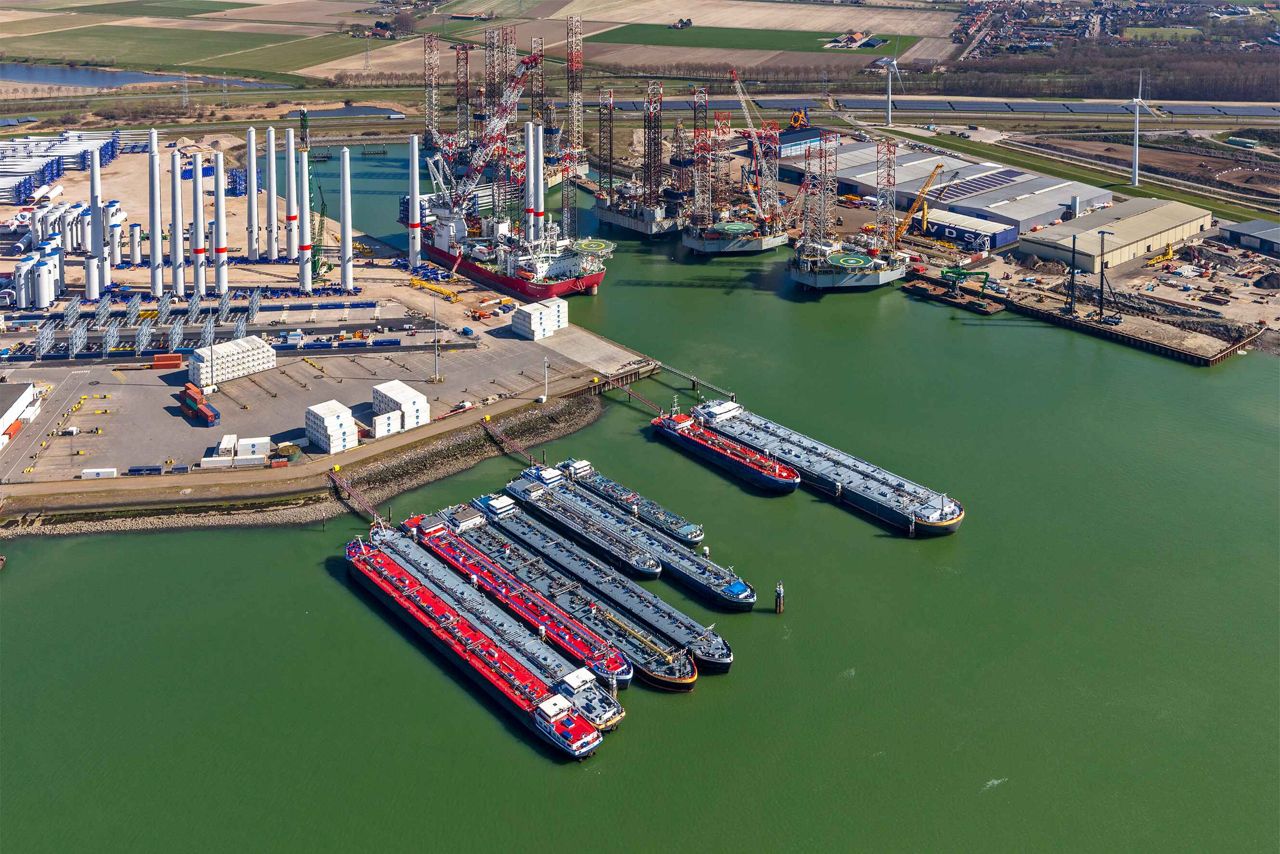
In the ARA and Rhine regions, biodiesel is primarily shipped by barge in relatively small parcels of 1,000 to 2,000 metric tons. This is due to the fact that renewable fuels, such as FAME and/or HVO, are often delivered in small batches and come in various grades. It's often being segregated because of the physical specifications like sulphur and CFPP cold filter plugin point.
The small parcel sizes, combined with the use of (FAME) as a pre-cargo, complicates the loading of other products afterwards. As a result, some barge companies have specialised in biodiesel shipments. Additionally, speculation on trades and waiting for seagoing cargo’s to come in has contributed to increased waiting times and a scarcity of barges.
However, the boom was short-lived. The EU began in August last year investigating Indonesian biodiesel that was suspected of circumventing duties by going through China and Britain, followed by a 14-month anti-dumping probe into Chinese biodiesel believed to be priced artificially low and undercutting local producers.
What’s happening now?
Oversupply – bio tickets
More renewable fuels than necessary were blended into diesel to generate additional biofuel certificates, which could then be sold on the market. The marginal cost of blending extra fatty acid methyl esters (FAME) into diesel was justified during periods of high demand for these certificates. However, as oversupply and new market entrants increased, the market became saturated, leading to a decline in ticket prices. With prices now low, blending additional FAME and renewable fuels into diesel is no longer economically viable, resulting in decreased trading activity and lower volumes over the past year.
Compliance mechanisms generate extra bio tickets, such as EV charging stations and bio-LNG production in Germany is generating bio tickets which also boosts the supply of bio tickets.
Labeling
European regulators have been investigating fraud cases in which imports are intentionally mislabeled to maximise their value, a practice called circumvention. For example, bio-diesel made from used cooking oil is worth more than bio-diesel made from virgin palm oil because EU rules say used cooking oil is a more sustainable feedstock.
Anti-dumping
In May, the emphasis for EU trade authorities shifted to a more systemic problem, dumping, a practice in which exporters sell at artificially low prices to drive competitors in the importing country out of business.
The European Biodiesel Board accuses China of a biofuel dumping scheme coordinated by the central government. “The EU must be extremely firm against the Chinese governmental strategy to destroy the EU’s industrial base in renewable energies.”
The EU imposed a provisional anti-dumping duty between 12.8% and 36.4% on Chinese biodiesel.
What does this mean for ARA barge movements?
Germany rollover of transport emissions.
Due to the new german carry over rule, producers can not carry over bio certificates into the subsequent year, for companies who already reached their mandates q4 2024 will probably be slow.
This means however that the start of the new year Q1+Q2 of 2025 the bio-diesel market will be more strong as everybody starts on zero tickets the 1st of Jan 2025. Which means all players have to blend bio-diesel in Germany again to reach their mandate.
Sources: www.qcintel.com / http://reuters.com/ / https://www.transportenvironment.org
Features
Users
Company
Resources

SpotBarge
© 2026 by Spotbarge B.V. All rights reserved.